'%3e%3cpath%20d='M706.453%20375.999C860.234%20375.999%20984.899%20291.829%20984.899%20188C984.899%2084.1703%20860.234%200%20706.453%200C552.671%200%20428.006%2084.1703%20428.006%20188C428.006%20291.829%20552.671%20375.999%20706.453%20375.999Z'%20fill='%23009B4F'/%3e%3cpath%20d='M278.447%20375.999C432.229%20375.999%20556.893%20291.829%20556.893%20188C556.893%2084.1703%20432.229%200%20278.447%200C124.665%200%200%2084.1703%200%20188C0%20291.829%20124.665%20375.999%20278.447%20375.999Z'%20fill='%23009B4F'/%3e%3cpath%20d='M141.484%20166.68C125.01%20162.158%20114.996%20158.927%20114.996%20150.529C114.996%20143.422%20122.102%20138.9%20133.085%20138.9C144.068%20138.9%20155.051%20143.099%20164.095%20150.529L164.418%20150.852L165.388%20129.855C156.666%20125.01%20147.944%20121.78%20133.731%20121.78C123.394%20121.78%20114.027%20124.364%20107.243%20129.209C99.8137%20134.378%2095.9374%20142.13%2095.9374%20151.175C95.9374%20168.941%20110.796%20176.694%20123.394%20179.924C140.192%20184.446%20151.821%20188.323%20151.821%20198.659C151.821%20207.381%20144.068%20212.872%20131.47%20212.872C118.872%20212.872%20106.274%20207.381%2096.5834%20198.013L96.2604%20197.69L94.3223%20219.979C104.336%20226.762%20116.934%20230.316%20130.501%20230.316C142.13%20230.316%20152.144%20227.408%20159.25%20221.917C167.003%20216.103%20171.202%20207.704%20171.202%20197.367C171.202%20181.862%20161.511%20171.848%20141.484%20166.68Z'%20fill='white'/%3e%3cpath%20d='M264.557%20188C264.557%20215.78%20246.467%20230.316%20225.471%20230.316C215.457%20230.316%20207.381%20226.762%20201.244%20221.271V253.896H182.186V146.976H201.244V156.02C207.704%20149.883%20216.103%20145.684%20226.763%20145.684C247.436%20145.36%20264.557%20160.22%20264.557%20188ZM245.498%20188C245.498%20172.494%20236.131%20162.158%20222.887%20162.158C214.811%20162.158%20207.058%20165.711%20201.567%20173.787V203.182C207.058%20210.288%20214.488%20213.841%20222.887%20213.841C236.131%20213.841%20245.498%20203.505%20245.498%20188Z'%20fill='white'/%3e%3cpath%20d='M352.095%20194.137H294.274C296.535%20207.058%20305.903%20213.841%20318.824%20213.841C329.807%20213.841%20337.882%20211.257%20346.604%20206.089L347.573%20222.886C339.82%20227.085%20330.13%20230.316%20317.532%20230.316C294.274%20230.316%20274.893%20215.78%20274.893%20188.323C274.893%20162.804%20294.274%20145.683%20317.209%20145.683C341.112%20145.683%20353.71%20160.22%20353.71%20181.216C353.71%20185.415%20353.064%20189.615%20352.095%20194.137ZM335.621%20178.632C335.621%20168.618%20329.161%20160.866%20317.532%20160.866C306.549%20160.866%20296.858%20168.295%20294.597%20180.893H335.298C335.621%20180.247%20335.621%20179.601%20335.621%20178.632Z'%20fill='white'/%3e%3cpath%20d='M443.189%20221.917L445.128%20203.505C452.88%20209.965%20463.54%20213.841%20474.846%20213.841C482.921%20213.841%20488.413%20210.611%20488.413%20204.797C488.413%20189.615%20444.482%20197.367%20444.482%20169.91C444.482%20153.436%20458.695%20145.36%20475.492%20145.36C487.444%20145.36%20496.488%20148.268%20503.272%20152.467L502.303%20169.587C494.227%20164.096%20484.213%20161.189%20475.492%20161.189C468.708%20161.189%20463.217%20163.773%20463.217%20168.941C463.217%20181.862%20507.471%20175.402%20507.471%20203.828C507.471%20221.271%20492.289%20229.993%20474.523%20229.993C461.602%20230.316%20450.942%20227.085%20443.189%20221.917Z'%20fill='white'/%3e%3cpath%20d='M590.488%20177.986V228.701H571.429V220.302C564.969%20226.439%20556.57%20229.993%20546.88%20229.993C528.467%20229.993%20517.484%20219.01%20517.484%20203.505C517.484%20187.03%20530.405%20177.017%20549.464%20177.017C556.57%20177.017%20563.677%20178.309%20571.752%20180.57V177.986C571.752%20165.388%20562.385%20159.897%20550.756%20159.897C542.034%20159.897%20532.02%20163.127%20524.914%20168.941L524.268%20152.467C530.405%20148.268%20541.711%20145.037%20554.309%20145.037C574.983%20145.36%20590.488%20155.374%20590.488%20177.986ZM571.429%20206.735V194.46C564.646%20192.199%20558.185%20190.907%20551.402%20190.907C541.711%20190.907%20535.574%20196.075%20535.574%20203.505C535.574%20210.934%20542.034%20215.78%20550.433%20215.78C558.508%20215.78%20564.969%20212.872%20571.429%20206.735Z'%20fill='white'/%3e%3cpath%20d='M592.104%20146.976H612.777L636.358%20198.659L659.616%20146.976H680.289L641.526%20228.701H630.866L592.104%20146.976Z'%20fill='white'/%3e%3cpath%20d='M754.907%20194.137H697.409C699.67%20207.058%20709.038%20213.841%20721.959%20213.841C732.941%20213.841%20741.017%20211.257%20749.739%20206.089L750.708%20222.886C742.955%20227.085%20733.264%20230.316%20720.667%20230.316C697.409%20230.316%20678.027%20215.78%20678.027%20188.323C678.027%20162.804%20697.409%20145.683%20720.343%20145.683C744.247%20145.683%20756.845%20160.22%20756.845%20181.216C756.522%20185.415%20756.199%20189.615%20754.907%20194.137ZM738.756%20178.632C738.756%20168.618%20732.295%20160.866%20720.667%20160.866C709.684%20160.866%20699.993%20168.295%20697.732%20180.893H738.433C738.433%20180.247%20738.756%20179.601%20738.756%20178.632Z'%20fill='white'/%3e%3cpath%20d='M826.618%20148.914L824.034%20166.357C819.511%20163.773%20814.989%20163.127%20810.467%20163.127C802.068%20163.127%20794.315%20167.326%20788.824%20176.371V228.701H769.766V146.976H788.824V157.958C794.315%20150.529%20802.068%20145.36%20812.728%20145.36C817.896%20145.36%20822.418%20146.653%20826.618%20148.914Z'%20fill='white'/%3e%3cpath%20d='M832.109%20221.917L834.048%20203.505C841.8%20209.965%20852.46%20213.841%20863.766%20213.841C871.841%20213.841%20877.333%20210.611%20877.333%20204.797C877.333%20189.615%20833.401%20197.367%20833.401%20169.91C833.401%20153.436%20847.615%20145.36%20864.412%20145.36C876.364%20145.36%20885.408%20148.268%20892.192%20152.467L891.223%20169.587C883.147%20164.096%20873.133%20161.189%20864.412%20161.189C857.628%20161.189%20852.137%20163.773%20852.137%20168.941C852.137%20181.862%20896.391%20175.402%20896.391%20203.828C896.391%20221.271%20881.209%20229.993%20863.443%20229.993C850.522%20230.316%20839.862%20227.085%20832.109%20221.917Z'%20fill='white'/%3e%3cpath%20d='M429.298%20206.412C422.838%20211.257%20416.054%20213.841%20408.302%20213.841C395.058%20213.841%20383.429%20204.474%20383.429%20188C383.429%20171.525%20395.058%20162.158%20408.302%20162.158C416.054%20162.158%20422.838%20164.742%20429.298%20169.264C430.268%20163.45%20431.237%20157.958%20432.852%20152.467C426.068%20148.591%20417.67%20145.683%20406.041%20145.683C382.783%20145.683%20363.725%20161.512%20363.725%20188C363.725%20214.487%20382.783%20230.316%20406.041%20230.316C417.67%20230.316%20426.068%20227.085%20432.852%20222.886C431.237%20217.395%20429.944%20211.903%20429.298%20206.412Z'%20fill='white'/%3e%3c/g%3e%3cdefs%3e%3cclipPath%20id='clip0_1478_9029'%3e%3crect%20width='984.9'%20height='375.999'%20fill='white'/%3e%3c/clipPath%3e%3c/defs%3e%3c/svg%3e)
COVID eye symptoms overview
COVID can affect the eye in mild and more serious ways from temporary irritation to more long term vision complications. Many people in New Zealand experience COVID eye symptoms during their illness or recovery, including itchy eyes, sore eyeballs, and blurry vision.
What are COVID eye symptoms?
COVID eye symptoms can range from mild irritation to more concerning vision changes. The most common COVID eye symptoms include red or bloodshot eyes, itchy or sore eyes and increased tearing. Some people also experience COVID blurry vision or light sensitivity. These symptoms can occur during active infection or persist after recovery.
Let’s get your vision sorted
Noticed your eyes hurting, or a change in your sight? Whether it’s something new or something that’s been bothering you for a while, we’re here to help.
Symptoms of COVID affecting your eyes
COVID can cause various eye symptoms, from mild irritation to more noticeable changes in vision. These COVID eye symptoms can appear during your illness or develop afterwards as part of long COVID. Here are the key signs to watch for:
Conjunctivitis (pink eye)
COVID can cause viral conjunctivitis, leading to red, watery, and itchy eyes. This is one of the most common COVID eye symptoms and usually resolves on its own. However, seek a professional opinion if symptoms are severe or accompanied by vision changes.
Learn more about conjunctivitis
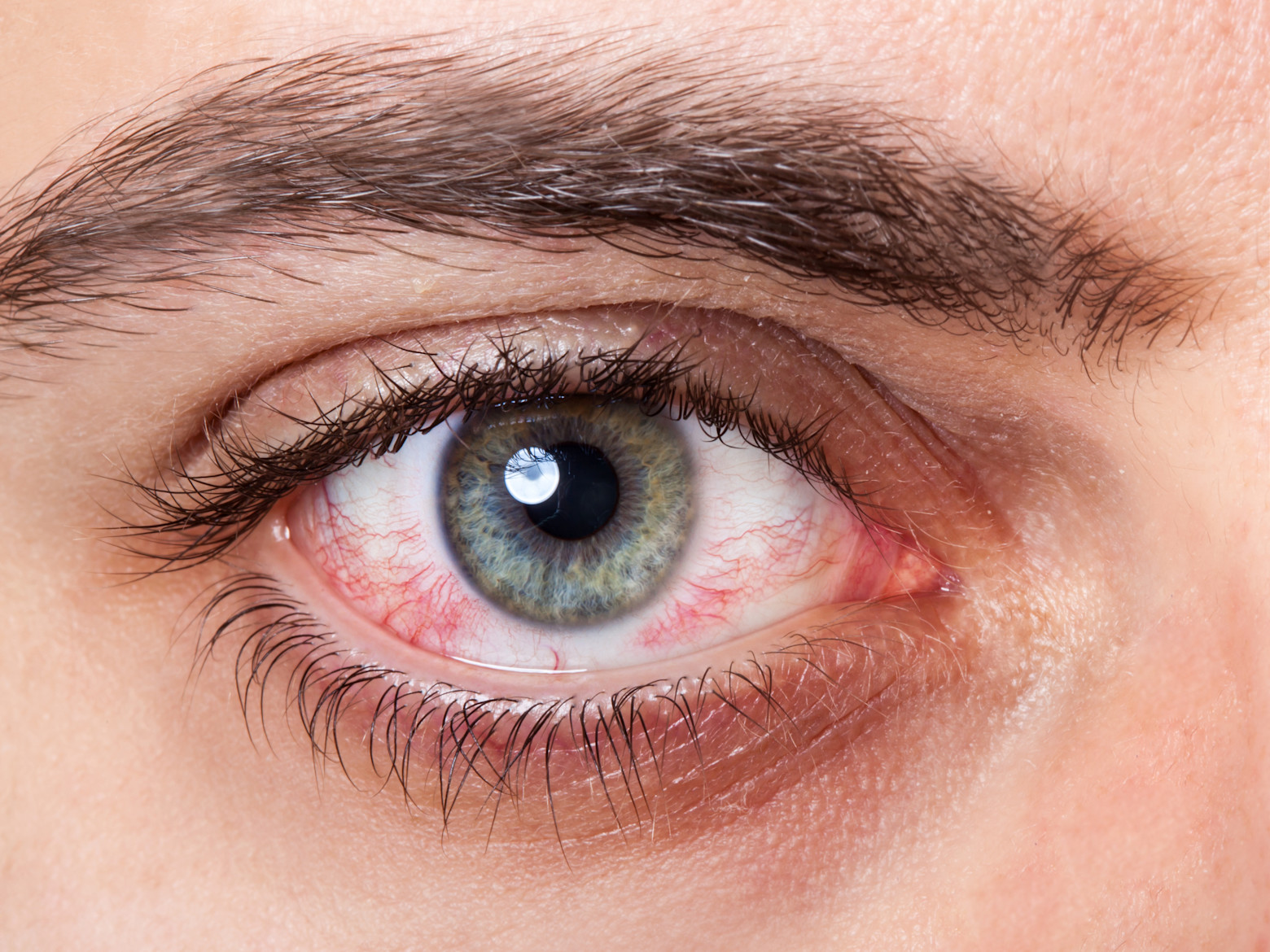
Red or bloodshot eyes
Many people notice bloodshot eye COVID symptoms, where the whites of their eyes appear red or pink due to inflammation of blood vessels.
Learn more about red or bloodshot eyes
Eye pain and discomfort
Some people experience sore eyeballs, ranging from mild discomfort to more significant eye pain that may worsen with movement.
Learn more about eye pain
Blurry vision
Blurry vision can occur during illness or persist afterwards, affecting your ability to see clearly at various distances. Blurry vision is often not a direct effect but a secondary impact from eye irritation and inflammation.
Learn more about blurry vision
Dry, itchy eyes
Itchy eyes and dry eye symptoms are common with COVID, as the virus can affect tear production and eye surface health.
Learn more about itchy eyes and dry eye syndromes
Puffy or swollen eyelids
Some people notice swelling around their eyes, which can be related to inflammation or fluid retention during COVID.
Learn more about puffy eye
What causes COVID eye symptoms?
COVID can affect your eyes in several ways. It can infect the conjunctiva (the clear tissue covering your eye), causing inflammation and signs of conjunctivitis. It can also trigger an inflammatory response throughout your body, which may affect the delicate blood vessels in your eyes. In rare cases, COVID can impact your immune system, potentially leading to autoimmune reactions that affect eye tissues.
Who's more likely to get COVID eye symptoms?
While anyone with COVID can develop eye symptoms, certain groups may be at higher risk. People with severe COVID infections, those with pre‑existing eye conditions like dry eye syndrome, and autoimmune conditions may be more susceptible. Long COVID patients also commonly report ongoing eye symptoms. Age can play a role too, with both very young and older adults experiencing more noticeable symptoms.
How are COVID eye symptoms diagnosed?

If you're experiencing persistent eye symptoms after COVID, an optometrist can help determine whether they're related to your recent illness or another condition. They'll perform a comprehensive eye examination to assess your eye health and rule out other causes. This is particularly important if you're experiencing blurry vision, persistent itchy eye symptoms, or any vision or eye changes that concern you.
Medical history
Your optometrist will ask about your recent COVID infection, when your eye symptoms started, and how they've changed over time.
Visual acuity test
This checks how clearly you can see at different distances, which is important if you're experiencing blurry vision.
Eye surface examination
Using a slit lamp, your optometrist can examine your eye for signs of inflammation, dryness, or infection.
Tear film assessment
If you have dry, itchy eyes, they may test your tear production and quality to determine the best treatment approach.
Let’s get your vision sorted
Noticed your eyes hurting, or a change in your sight? Whether it’s something new or something that’s been bothering you for a while, we’re here to help.
How to treat COVID eye symptoms
Treatment for COVID eye symptoms depends on the specific symptoms you're experiencing and their severity. The good news is that most COVID‑related eye symptoms are mild and improve with time and appropriate care. Here's how to treat COVID eye symptoms effectively.
When COVID eye symptoms need medical help
While most COVID eye symptoms are mild and temporary, some situations require professional attention. You should see an optometrist or GP if symptoms are severe, persistent, or getting worse rather than better.
Lubricating eye drops
For COVID‑related itchy eyes and dry eye symptoms, preservative‑free artificial tears can provide relief and help support eye surface health. Your optometrist will recommend suitable drops based on your symptoms.
Anti‑inflammatory treatment
If you have significant inflammation, your optometrist may recommend specific treatments to reduce inflammation and discomfort.
Vision correction
If COVID‑related blurry vision persists, you may need updated glasses or contact lenses, or further investigation to rule out other causes.
Preventing and managing COVID eye symptoms
If you've had COVID and your eyes feel different, there are steps you can take to support your recovery and prevent symptoms from worsening. Take regular screen breaks, use lubricating drops, and keep up with eye checks. These simple measures can make a significant difference in your comfort and recovery.
Less common but important COVID eye effects
While most people experience mild symptoms, it's important to be aware of less common but more serious effects that COVID can have on the eyes. These are rare, but understanding them helps you know when to seek urgent care. In very rare cases, COVID may affect the blood vessels in the retina or cause inflammation of deeper eye structures. Some people also report new floaters, flashes of light, or changes in their peripheral vision. If you experience sudden vision loss, severe eye pain, or significant changes in your vision after COVID, seek immediate medical attention. Remember, these serious complications are uncommon, but early detection and treatment are important for the best outcomes.
Let’s get your vision sorted
Noticed your eyes hurting, or a change in your sight? Whether it’s something new or something that’s been bothering you for a while, we’re here to help.
Common Questions About COVID & Your Eyes
Yes, COVID can affect your eyes in several ways. Common COVID eye symptoms include redness, itching, dryness, and sometimes blurry vision. Most symptoms are mild and temporary.
The most frequently reported symptoms include red or bloodshot eyes, itchy or watery eyes, dry eye sensation, light sensitivity, and mild blurry vision. These usually improve within a few weeks.
Yes, COVID can sometimes cause red or bloodshot eyes, itchy or watery eyes due to conjunctivitis (pink eye). This typically resolves as you recover from the infection. If severe symptoms or vision changes occur, please seek a professional opinion.
Blurry vision can occur during or after infection. This might be due to dry eyes, inflammation, or general fatigue. If concerned by blurry vision, book an eye test.
Learn more about blurry vision
Most COVID eye symptoms improve within 1‑2 weeks as you recover. However, some people experience longer‑lasting symptoms as part of long COVID. If symptoms persist beyond 3‑4 weeks or if you experience severe signs, please seek prompt medical attention.
COVID‑related conjunctivitis is typically viral and may occur alongside other COVID symptoms like fever or cough. Bacterial conjunctivitis is typically localised to the eye area.
If you have red, irritated, or infected eyes, it's best to avoid contact lenses until symptoms resolve. Switch to glasses temporarily and consult your optometrist if symptoms persist.
Most COVID eye symptoms are temporary. However, in very rare cases, severe inflammation or complications might cause lasting effects. Regular eye examinations help monitor your eye health.
If you experience sudden vision changes, severe pain, light sensitivity or if your symptoms are becoming severe, please seek urgent care.
If you have had persistent symptoms we recommend you seek a professional opinion.
Yes, the stress and fatigue from being ill can contribute to eye strain, and general discomfort. Rest, good hydration, and gentle eye care can help during recovery.
Did you know?
AA Members are entitled to a free eye test (valued at $60), once every two years. Remember to present your AA Membership card in‑store.
Written with care and checked for accuracy

Dr Ambhruni Padhye
Hu, K., et al. (2024) Ophthalmic manifestations of coronavirus (COVID‑19). National Center for Biotechnology Information. Available at: https://www.ncbi.nlm.nih.gov/books/NBK556093/
(Accessed: 18 December 2025)Ng, H.W., et al. (2024) Ocular manifestations of COVID‑19. [Journal name]. Available at: https://www.sciencedirect.com/science/article/pii/S1350946224000508
(Accessed: 18 December 2025)SeyedAlinaghi, S.A., et al. (2024) Ocular manifestations of COVID‑19: A systematic review. [Journal name]. Available at: https://pmc.ncbi.nlm.nih.gov/articles/PMC10874879/
(Accessed: 18 December 2025)American Dental Association (ADA) (2025) COVID‑19 symptom: Eyes pain and redness. Available at: https://ada.com/covid/covid‑19‑eyes/
(Accessed: 18 December 2025)Cognitive FX (2024) Vision problems after COVID: Causes and treatment. Available at: https://www.cognitivefxusa.com/blog/blurry‑vision‑and‑other‑vision‑problems‑after‑COVID
(Accessed: 19 December 2025)Healthline (2021) The link between COVID‑19 and ocular migraine. Available at: https://www.healthline.com/health/migraine/ocular‑migraine‑covid
(Accessed: 19 December 2025)University of Southern California (USC) Keck School of Medicine (2021) Ask the expert: How COVID‑19 affects the eyes. Available at: https://www.keckmedicine.org/blog/how‑covid‑19‑affects‑the‑eyes/
Wikipedia, (2025) Conjunctivitis. Available at: https://en.wikipedia.org/wiki/Conjunctivitis
(Accessed: 19 December 2025)AllAboutVision (2021) What causes halos around lights? Available at: https://www.allaboutvision.com/conditions/symptoms/halo‑lights/
(Accessed: 19 December 2025)Verywell Health (2020) Why do I see halos around lights? Available at: https://www.verywellhealth.com/halos‑around‑lights‑5092835
(Accessed: 19 December 2025)Health.com, (2024) Signs and symptoms of cataracts. Available at: https://www.health.com/cataracts‑symptoms‑8682137
(Accessed: 19 December 2025)
Could it be something else?
COVID may worsen existing dry eye or trigger new dry eye symptoms. This condition affects tear production and eye surface health.
Learn more about dry eye syndrome
Viral conjunctivitis is common with COVID, causing red, watery, and itchy eyes similar to other viral infections.
Learn more about conjunctivitis
In rare cases, COVID may trigger autoimmune responses that affect the eyes, causing inflammation or other symptoms.
Learn more about autoimmune eye disease
Some people notice new floaters or flashes after COVID, which may be related to inflammation or other changes in the eye.
Learn more about floaters and flashes
Find out more
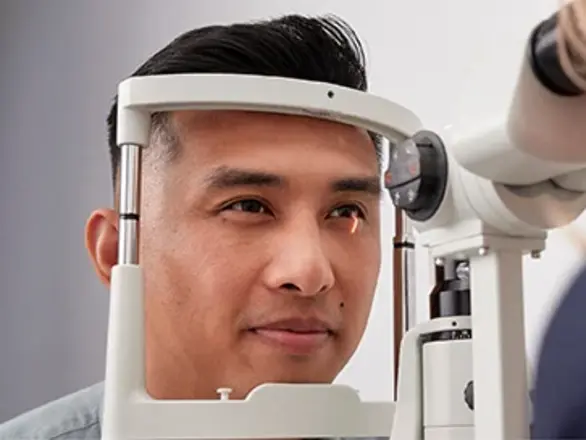
Why do I need an eye test?
Eye tests play a huge part in making sure your eyes stay healthy.
Check your vision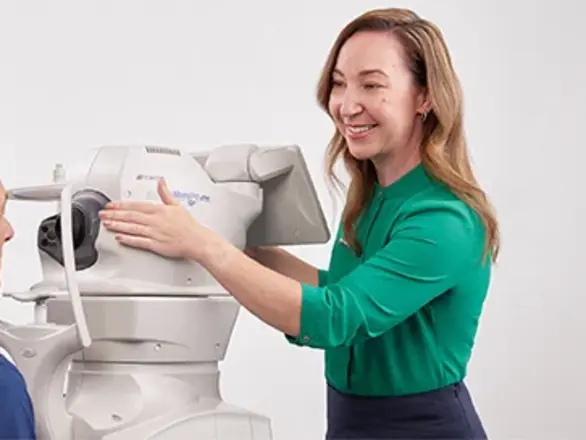
Your store visit explained
At Specsavers we are focused on caring for your eyes and giving you the best possible vision.
What to expect in‑store
More on eye tests
An eye test is not just about getting glasses – it is a vital health check for your eyes.
All about eye tests
Free exam for AA Members applies to standard eye examinations only, normally valued at $60. Excludes contact lens examination and visual field checks. Limited to one per AA Member every two years. Available to current AA Members upon presentation of AA Membership card.