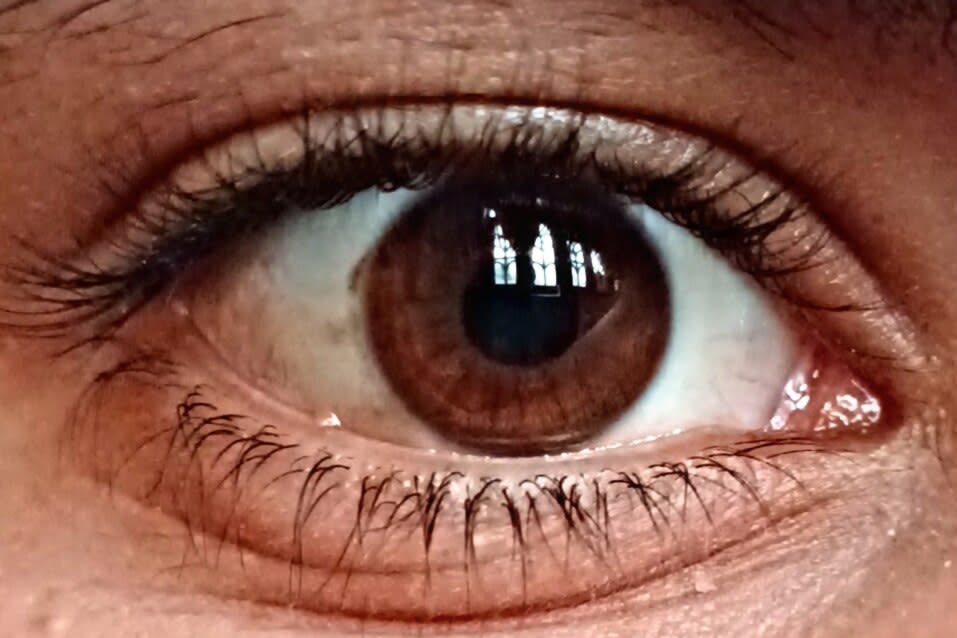
Conjunctivitis is one of the most common eye conditions in New Zealand. Read about conjunctivitis symptoms, causes, treatments and more.
What is conjunctivitis?
Conjunctivitis occurs when the conjunctiva (transparent membrane covering the white of the eye and insides of eyelids) is irritated. Your body increases blood flow to it to help heal, expanding its blood vessels, making it look pink. It can be an infectious (highly contagious) or allergic condition.
Conjunctivitis explained
Wondering why you have pink eye? Here's what's happening in the eye itself.
1 of 4
Pink eye
The tiny veins in the eye expand as they bring more blood to the eye to help fight off infections or allergens.
2 of 4
Tears or watering
Your eye produces more tears to try and flush away microbes or irritants on the surface.
3 of 4
Pus on eyelashes
Depending on the type of conjunctivitis, you might get pus collecting on your eyelashes.
4 of 4
Burning sensation
Your eyes might feel as if they're hot, or there's a burning sensation.
Types of conjunctivitis
There are three main types of conjunctivitis. It's helpful to know the difference between them so you can understand what’s causing your symptoms and how to treat them.
In this section, we’ll cover the three most common types of conjunctivitis. There are also some less common conjunctivitis causes which we'll explore later on in this guide.
1. Viral conjunctivitis
This is the most common type of pink eye in adults and it’s highly contagious. It's usually caused by adenoviruses, which are the same viruses that cause colds ‑ so you're likely to have cold‑like symptoms. Viral conjunctivitis tends to clear up on its own within a couple of weeks.
2. Bacterial conjunctivitis
This is more common in kids and usually clears up within 10 days. It’s caused by bacteria in the conjunctiva and often leads to redness, irritation, and a pus‑like discharge that can crust over the eyelashes, especially after sleep.
3. Allergic conjunctivitis
If you're allergic to things like pollen, pet hair or dust mites, these can also cause pink eye. When your eye is irritated by an allergen, your body releases chemicals called histamines which make your eye's tiny blood vessels in the conjunctiva swell. This means they become itchy and watery. Learn more about hay fever
In this video, Specsavers optometrist Dr Nigel Best explains some of the most common conjunctivitis symptoms we see at our stores in New Zealand. Watch the video to find out how to treat conjunctivitis with simple home remedies and over the counter medication.
Although there are a few different types of conjunctivitis, they all share similar symptoms.
People tend to get symptoms in both eyes at the same time, but it might only affect one. It can also start in one eye then spread to the other.
Here are some of the most common pink eye symptoms we see at our stores in New Zealand.
Visibly pink eye
This is the 'telltale' symptom of conjunctivitis. When your body reacts to an infection, it sends more blood to the affected area ‑ a response known as inflammation. The increase in blood flow causes the tiny blood vessels in your eye to expand, making them more noticeable. This makes your eyes look pink.
A burning or hot feeling
Inflammation can also make your eye feel warmer because more blood is going to the eye. Some people find their eyes feel warmer to the touch.
More tears
If you have conjunctivitis, your eyes may produce more tears than usual, and they'll feel very watery. If the conjunctivitis is caused by an allergy, a chemical or something on the surface of the eye, the extra tears can help to flush it out. Learn more about watering eyes
Feeling of something in the eye
You might find that you get a gritty feeling in your eye, as if there's something on your eye. This may be caused by the conjunctiva swelling slightly when it becomes inflamed. Learn more about the feeling of something in your eye
Itchy eye
If the pink eye is caused by an allergy, your eye might feel especially itchy. When you have an allergic reaction, your body releases a chemical called histamine which makes blood vessels expand, and they feel itchy. Learn more about itchy eyes.
Discharge on eyelashes
You might get a sticky or crusty substance (pus) collecting on your eyelashes. People often find their eyes are stuck together when they wake up. This is particularly common with bacterial conjunctivitis.
Conjunctivitis is the most common cause of eye‑related visits to the primary care doctors and Emergency Departments around the world. Many people in New Zealand experience it every year.
The big risk with conjunctivitis is how contagious it can be (particularly the viral form). It's common for pink eye to spread in schools, workplaces and other places where people spend time close to each other.
So, what causes conjunctivitis? There are several things that can irritate your conjunctiva and lead to inflammation. Here are the most common causes we see at our stores in New Zealand.
Viruses
Most cases of pink eye are caused by viruses usually the same ones behind colds, like adenoviruses. If that’s the cause, you’ll probably get cold‑like symptoms too. Other viruses linked to pink eye include herpes, chicken pox and COVID‑19.
Bacteria
Some bacteria that normally live on your skin or in your body can grow too much and cause pink eye. It’s more common in children than adults.
Allergens
Pollen, pet hair and dust mites can trigger an allergic reaction that causes pink eye. This often leads to swelling, itching and redness.
Things like shampoo, cleaning products or eye makeup can irritate your eyes and lead to pink eye.
Fungal infections
Fungal conjunctivitis is rare, but it can happen. It’s usually caused by fungi getting into the eye through damage, dirty contact lenses or plant material.
Autoimmune diseases
An autoimmune disease is when your immune system mistakenly attacks your body’s own tissues. Autoimmune disorders like lupus and Sjögren’s syndrome can cause pink eye.
Blocked tear duct in newborns
For some newborn babies, a blocked tear duct can cause pink eye. This is because the eye doesn't get as much lubrication as it needs. It usually clears up by itself, but you should let the midwife, your child's GP or a health visitor know.
Most cases of conjunctivitis clear up on their own within a week or two.
See your optometrist, GP or pharmacist if your eyes aren't getting better after 1‑2 days, or if you notice any of these:
Your eyesight (vision) has become noticeably worse
Severe pain or sensitivity to light
You still feel unwell or have symptoms for longer than 10‑14 days.
They'll ask about your symptoms and check your eyes to see if it's conjunctivitis or something else. Sometimes they might take a swab to send to a lab. They can also recommend ways to ease your symptoms and help your eyes feel better.
At Specsavers, our optometrists will explain how to treat conjunctivitis based on your symptoms, how you're feeling and the underlying cause (this isn't always obvious).
Most of the time, conjunctivitis will just clear up by itself within a couple of weeks, and no special treatment is required. However, if it's not going away on its own, or is causing you a lot of discomfort, there are several treatment options available.
Conjunctivitis treatment at home
Pink eye can normally be treated very effectively with some simple home remedies and self care.
Don't wear contact lenses
If you wear contact lenses, it’s best not to irritate your eyes any further, so avoid wearing them while you have symptoms and wear your specs instead.
Avoid rubbing your eyes
Conjunctivitis can make your eyes itchy and sore, so it's natural to want to rub them. But this won't resolve the issue, and can cause more damage and irritation to your eyes.
Clean your eyelashes
Use warm water and cotton wool to gently clean sticky eyelids and lashes. Avoid soaps or chemicals – warm water is usually enough.
Avoid allergens
If pollen, pet hair or dust mites trigger your conjunctivitis, try to avoid them. Keep pets out of the bedroom and clean regularly to reduce dust mites.
Over‑the‑counter conjunctivitis treatment
At Specsavers stores and many pharmacies in New Zealand, you can find a range of over‑the‑counter treatments that will help relieve conjunctivitis symptoms.
Antihistamines
Taken as pills or eye drops, they block histamine and help with allergy‑related pink eye.
Eye drops
Antibacterial eyedrops can relieve the symptoms of inflammation. At Specsavers, we offer a range of preservative‑free eyelid cleansers of optometrist‑approved eyedrops at our stores in New Zealand.
Cold and warm compresses
You can alternate between warm and cold eye compresses to relieve conjunctivitis discomfort. You place them over your eyelids, and this can relieve symptoms of itchiness, soreness and inflammation. We offer a range of antibacterial eye compresses and heat masks at Specsavers stores.
Eyelid cleansing
At Specsavers, we offer optometrist‑approved wipes and solutions that you use to clean your eyelids. You can use these wipes or solutions to gently remove built‑up pus and crust from your eyelashes.
More medical treatments
Treatment depends on the type of conjunctivitis. Your optometrist or GP may recommend using more advanced medical treatment for conjunctivitis.
Antibiotics
If bacteria are behind your pink eye, antibiotics (as pills or eye drops) can help. Always finish the full course, even if you start to feel better.
Antivirals
Most viral pink eye clears up on its own. But if it’s caused by herpes, chickenpox, shingles or an STI, your GP or optometrist may prescribe antiviral treatment.
Immunosuppressants
If your conjunctivitis is caused by an autoimmune disorder (this is quite rare), then your doctor may prescribe you with immunosuppressants. These stop your body's immune system from attacking itself.
Let’s get your vision sorted
Noticed your eyes hurting, or a change in your sight? Whether it’s something new or something that’s been bothering you for a while, we’re here to help.
You can reduce your risk of getting conjunctivitis by using a few simple preventive measures. If you already have viral or bacterial conjunctivitis, these steps can also help to stop it from spreading to others.
Consider time off
Viral conjunctivitis and bacterial conjunctivitis spreads easily. You will be contagious as long as there is discharge from your eye (usually 10 ‑14 days after symptoms start). Do not attend work or school until discharge stops.
Good hygiene
Wash your hands often and avoid sharing towels or close contact. This helps stop pink eye spreading, especially during an outbreak.
Allergy management
Antihistamines help, but it’s best to avoid triggers. Keep pets out of the bedroom, clean often, and during pollen season, close windows and stay in on high pollen days.
Avoid eye irritants
Bin old eye makeup, wear eye protection with chemicals, and use mild products in the shower – rinsing suds away quickly.
If your child has pink eye, Kids Health New Zealand says they should be kept out of school until the discharge (pus) from their eyes has stopped.
This is because kids may not remember to wash their hands as often as adults, or they may not understand why they can't play with their friends. So, it's generally advised to keep them away from other kids until they're better.
Your conjunctivitis questions, answered
Conjunctivitis normally goes away on its own within 1–2 weeks. In some cases ‑ especially with viral conjunctivitis ‑ it can take a little longer to go away.
Yes, bacterial and viral conjunctivitis are highly contagious. They are easily spread through coughs, sneezes and physical contact. It’s important to keep your mouth and nose covered when sneezing or coughing, regularly wash your hands and avoid sharing towels and other items to avoid passing it on to other people.
There are many ways of getting conjunctivitis, depending on the type. Bacterial and viral conjunctivitis (which are especially common) are often spread through coughing, sneezing, physical contact or through sharing things like towels. You get allergic conjunctivitis by being exposed to an allergen that affects you.
Conjunctivitis usually stays contagious for as long as you have symptoms, especially if you have any kind of eye discharge. Normally, you'll be contagious for 1‑2 weeks, but it can be longer.
Yes, 'conjunctivitis' and 'pink eye' are usually used to mean the same thing. Conjunctivitis is the medical term for inflammation of the conjunctiva (the clear layer that covers the eye and inside of the eyelid). Pink eye is a more informal term that people use to describe conjunctivitis, since one of the main symptoms is pinkness in the eye caused by expanded blood vessels. Both terms refer to the same condition, and Specsavers optometrists will understand what you mean if you say 'pink eye'.
It's not usually necessary to go to hospital if you have pink eye. Usually it will clear up on its own with rest and by avoiding anything that irritates your eye. If you have symptoms of conjunctivitis and your eyes don't start to feel better after 1‑2 days, book an appointment with your optometrist or GP.
If someone you live, work or study with has pink eye, there are a few things you can do to avoid it. First, regularly wash your hands with soap and water. Don't share any items that you touch or use on your face (such as hand towels in the bathroom). If they are coughing or sneezing without covering their nose and mouth, remind them that this can spread the illness.
If you have bacterial or viral conjunctivitis, you may wish to stay at home from work or social events. This is because you may spread it to other people you come in contact with. You will be contagious as long as there is discharge from your eye.
Did you know?
AA Members are entitled to a free eye test (valued at $60), once every two years. Remember to present your AA Membership card in‑store.
Amy Giang graduated from the University of Melbourne in 2011 with a Bachelor of Optometry and is therapeutically endorsed. She brings over a decade of experience across private practice and corporate optometry in both regional and metropolitan settings.
After practising at Specsavers Melbourne CBD West, Amy transitioned into her current role as Clinical Services Development Consultant for Australia and New Zealand. In this role, she collaborates to deliver clinical technology solutions, empowering optometrists and enhancing the patient experience.
A corneal ulcer is a painful sore that develops on the outer surface of your eye. These ulcers can cause eye inflammation and redness. They're more common among people who wear contact lenses.
There are quite a few eye conditions that can make your eyes look pink or red. In different ways, they can cause inflammation of the whites of the eyes, your eyelids, or the conjunctiva.
Free exam for AA Members applies to standard eye examinations only, normally valued at $60. Excludes contact lens examination and visual field checks. Limited to one per AA Member every two years. Available to current AA Members upon presentation of AA Membership card.
Let's get your vision sorted
Noticed a change in your sight? Whether it’s something new or something that’s been bothering you for a while, we’re here to help.
'%3e%3cpath%20d='M706.453%20375.999C860.234%20375.999%20984.899%20291.829%20984.899%20188C984.899%2084.1703%20860.234%200%20706.453%200C552.671%200%20428.006%2084.1703%20428.006%20188C428.006%20291.829%20552.671%20375.999%20706.453%20375.999Z'%20fill='%23009B4F'/%3e%3cpath%20d='M278.447%20375.999C432.229%20375.999%20556.893%20291.829%20556.893%20188C556.893%2084.1703%20432.229%200%20278.447%200C124.665%200%200%2084.1703%200%20188C0%20291.829%20124.665%20375.999%20278.447%20375.999Z'%20fill='%23009B4F'/%3e%3cpath%20d='M141.484%20166.68C125.01%20162.158%20114.996%20158.927%20114.996%20150.529C114.996%20143.422%20122.102%20138.9%20133.085%20138.9C144.068%20138.9%20155.051%20143.099%20164.095%20150.529L164.418%20150.852L165.388%20129.855C156.666%20125.01%20147.944%20121.78%20133.731%20121.78C123.394%20121.78%20114.027%20124.364%20107.243%20129.209C99.8137%20134.378%2095.9374%20142.13%2095.9374%20151.175C95.9374%20168.941%20110.796%20176.694%20123.394%20179.924C140.192%20184.446%20151.821%20188.323%20151.821%20198.659C151.821%20207.381%20144.068%20212.872%20131.47%20212.872C118.872%20212.872%20106.274%20207.381%2096.5834%20198.013L96.2604%20197.69L94.3223%20219.979C104.336%20226.762%20116.934%20230.316%20130.501%20230.316C142.13%20230.316%20152.144%20227.408%20159.25%20221.917C167.003%20216.103%20171.202%20207.704%20171.202%20197.367C171.202%20181.862%20161.511%20171.848%20141.484%20166.68Z'%20fill='white'/%3e%3cpath%20d='M264.557%20188C264.557%20215.78%20246.467%20230.316%20225.471%20230.316C215.457%20230.316%20207.381%20226.762%20201.244%20221.271V253.896H182.186V146.976H201.244V156.02C207.704%20149.883%20216.103%20145.684%20226.763%20145.684C247.436%20145.36%20264.557%20160.22%20264.557%20188ZM245.498%20188C245.498%20172.494%20236.131%20162.158%20222.887%20162.158C214.811%20162.158%20207.058%20165.711%20201.567%20173.787V203.182C207.058%20210.288%20214.488%20213.841%20222.887%20213.841C236.131%20213.841%20245.498%20203.505%20245.498%20188Z'%20fill='white'/%3e%3cpath%20d='M352.095%20194.137H294.274C296.535%20207.058%20305.903%20213.841%20318.824%20213.841C329.807%20213.841%20337.882%20211.257%20346.604%20206.089L347.573%20222.886C339.82%20227.085%20330.13%20230.316%20317.532%20230.316C294.274%20230.316%20274.893%20215.78%20274.893%20188.323C274.893%20162.804%20294.274%20145.683%20317.209%20145.683C341.112%20145.683%20353.71%20160.22%20353.71%20181.216C353.71%20185.415%20353.064%20189.615%20352.095%20194.137ZM335.621%20178.632C335.621%20168.618%20329.161%20160.866%20317.532%20160.866C306.549%20160.866%20296.858%20168.295%20294.597%20180.893H335.298C335.621%20180.247%20335.621%20179.601%20335.621%20178.632Z'%20fill='white'/%3e%3cpath%20d='M443.189%20221.917L445.128%20203.505C452.88%20209.965%20463.54%20213.841%20474.846%20213.841C482.921%20213.841%20488.413%20210.611%20488.413%20204.797C488.413%20189.615%20444.482%20197.367%20444.482%20169.91C444.482%20153.436%20458.695%20145.36%20475.492%20145.36C487.444%20145.36%20496.488%20148.268%20503.272%20152.467L502.303%20169.587C494.227%20164.096%20484.213%20161.189%20475.492%20161.189C468.708%20161.189%20463.217%20163.773%20463.217%20168.941C463.217%20181.862%20507.471%20175.402%20507.471%20203.828C507.471%20221.271%20492.289%20229.993%20474.523%20229.993C461.602%20230.316%20450.942%20227.085%20443.189%20221.917Z'%20fill='white'/%3e%3cpath%20d='M590.488%20177.986V228.701H571.429V220.302C564.969%20226.439%20556.57%20229.993%20546.88%20229.993C528.467%20229.993%20517.484%20219.01%20517.484%20203.505C517.484%20187.03%20530.405%20177.017%20549.464%20177.017C556.57%20177.017%20563.677%20178.309%20571.752%20180.57V177.986C571.752%20165.388%20562.385%20159.897%20550.756%20159.897C542.034%20159.897%20532.02%20163.127%20524.914%20168.941L524.268%20152.467C530.405%20148.268%20541.711%20145.037%20554.309%20145.037C574.983%20145.36%20590.488%20155.374%20590.488%20177.986ZM571.429%20206.735V194.46C564.646%20192.199%20558.185%20190.907%20551.402%20190.907C541.711%20190.907%20535.574%20196.075%20535.574%20203.505C535.574%20210.934%20542.034%20215.78%20550.433%20215.78C558.508%20215.78%20564.969%20212.872%20571.429%20206.735Z'%20fill='white'/%3e%3cpath%20d='M592.104%20146.976H612.777L636.358%20198.659L659.616%20146.976H680.289L641.526%20228.701H630.866L592.104%20146.976Z'%20fill='white'/%3e%3cpath%20d='M754.907%20194.137H697.409C699.67%20207.058%20709.038%20213.841%20721.959%20213.841C732.941%20213.841%20741.017%20211.257%20749.739%20206.089L750.708%20222.886C742.955%20227.085%20733.264%20230.316%20720.667%20230.316C697.409%20230.316%20678.027%20215.78%20678.027%20188.323C678.027%20162.804%20697.409%20145.683%20720.343%20145.683C744.247%20145.683%20756.845%20160.22%20756.845%20181.216C756.522%20185.415%20756.199%20189.615%20754.907%20194.137ZM738.756%20178.632C738.756%20168.618%20732.295%20160.866%20720.667%20160.866C709.684%20160.866%20699.993%20168.295%20697.732%20180.893H738.433C738.433%20180.247%20738.756%20179.601%20738.756%20178.632Z'%20fill='white'/%3e%3cpath%20d='M826.618%20148.914L824.034%20166.357C819.511%20163.773%20814.989%20163.127%20810.467%20163.127C802.068%20163.127%20794.315%20167.326%20788.824%20176.371V228.701H769.766V146.976H788.824V157.958C794.315%20150.529%20802.068%20145.36%20812.728%20145.36C817.896%20145.36%20822.418%20146.653%20826.618%20148.914Z'%20fill='white'/%3e%3cpath%20d='M832.109%20221.917L834.048%20203.505C841.8%20209.965%20852.46%20213.841%20863.766%20213.841C871.841%20213.841%20877.333%20210.611%20877.333%20204.797C877.333%20189.615%20833.401%20197.367%20833.401%20169.91C833.401%20153.436%20847.615%20145.36%20864.412%20145.36C876.364%20145.36%20885.408%20148.268%20892.192%20152.467L891.223%20169.587C883.147%20164.096%20873.133%20161.189%20864.412%20161.189C857.628%20161.189%20852.137%20163.773%20852.137%20168.941C852.137%20181.862%20896.391%20175.402%20896.391%20203.828C896.391%20221.271%20881.209%20229.993%20863.443%20229.993C850.522%20230.316%20839.862%20227.085%20832.109%20221.917Z'%20fill='white'/%3e%3cpath%20d='M429.298%20206.412C422.838%20211.257%20416.054%20213.841%20408.302%20213.841C395.058%20213.841%20383.429%20204.474%20383.429%20188C383.429%20171.525%20395.058%20162.158%20408.302%20162.158C416.054%20162.158%20422.838%20164.742%20429.298%20169.264C430.268%20163.45%20431.237%20157.958%20432.852%20152.467C426.068%20148.591%20417.67%20145.683%20406.041%20145.683C382.783%20145.683%20363.725%20161.512%20363.725%20188C363.725%20214.487%20382.783%20230.316%20406.041%20230.316C417.67%20230.316%20426.068%20227.085%20432.852%20222.886C431.237%20217.395%20429.944%20211.903%20429.298%20206.412Z'%20fill='white'/%3e%3c/g%3e%3cdefs%3e%3cclipPath%20id='clip0_1478_9029'%3e%3crect%20width='984.9'%20height='375.999'%20fill='white'/%3e%3c/clipPath%3e%3c/defs%3e%3c/svg%3e)